20 November 2026 · RMH Medical Agencies
If a doctor has prescribed oxygen therapy at home, you will usually choose between an oxygen concentrator and an oxygen cylinder. Both deliver medical oxygen, but they work differently.
How an oxygen concentrator works
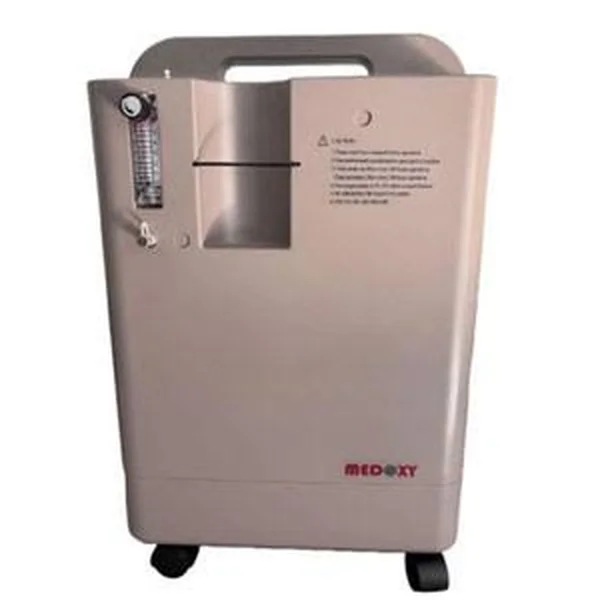
An oxygen concentrator draws in room air, filters out nitrogen and delivers concentrated oxygen through a nasal cannula or mask. It runs on electricity and does not need refilling.
How an oxygen cylinder works
A cylinder stores compressed oxygen. It needs no electricity, but it empties with use and must be refilled or replaced.
Quick comparison
- Refilling: concentrator – none; cylinder – regular refills.
- Power: concentrator needs electricity (keep a power backup); cylinder works during power cuts.
- Flow rate: home concentrators commonly offer up to 5 or 10 litres per minute; a cylinder can deliver what the regulator is set to.
- Long-term cost: for continuous daily use, a concentrator is usually more economical.
Questions to ask your doctor
- What flow rate (litres per minute) does the patient need?
- For how many hours a day?
- Is a pulse oximeter needed to monitor oxygen levels?
- Should we keep a cylinder as backup during power cuts?
RMH Medical Agencies offers oxygen concentrators on sale and on rent, with home delivery and demonstration across Tricity.
Oxygen is a medicine. Use it only as prescribed by a doctor, and never change the flow rate without medical advice.